Posts Tagged ‘poetry’

The 9-11 Museum is opening at Ground Zero in New York City. Here’s a poem I wrote about the Day the World Changed.
9-11 Museum 2

9-11 Museum 4

THE DAY THE WORLD CHANGED

At 11 p.m., abed in our Okinawa home,
My ringing phone shattered the silence.
“Turn your TV on!” a friend shouted when I answered.
“A big damn plane just hit the World Trade Center!”

Damned indeed.

As my love and I watched
CNN International over the rest
Of the sleepless night,
We witnessed the second plane
Plow into the towers,
And saw reports of a third
Smash into the Pentagon,
And a fourth crash into a Pennsylvania field,

Then the towers fell.

7,600 miles away, the night cloaked
Our rain soaked cabin, as
Typhoon Nari sat 37 miles offshore,
Threatening a third pass.
It struck once as a tropical storm
And then turned to wallop
The island with 113 mph winds
And 13 inches of rain, destroying
Okinawa’s sugar cane crop,
Darkening 23,000 homes.

The next few days were a blur.
“Get reaction!” my editors
From Tokyo demanded.

I called Marines, soldiers, airmen, sailors,
Civilian base workers for their thoughts.
I bugged commanders for troop movements,
Increases in security. What would happen
When the bases, which cover a fifth of the island,
Opened after the lockdown for the storm?

We all knew there’d be no return to normal.

“I cried,” a woman from New York,
Who sold cars on the air base, said.
“I used to Swing Dance there every week
On the 108th floor at Windows on the World.
I can’t believe it. New York is my home
I always thought of it as indestructible.”

“I’m overcome with grief and anger,”
Said a retired Marine married to an Okinawan.
He was preparing for Nari’s third strike
When he saw a Japanese TV report of the attacks.
“This is war. This is another Pearl Harbor.”

“What’s next, World War III?”
A percussionist for the Marine Band asked.
A corporal from New York, he said he
Was about to be discharged and married.
“I cancelled both,” he said. “I can’t leave, not now.
It may sound crazy, but I can’t quit my country
With something like this going on.”

A soldier’s wife said she felt safe on Okinawa
“Or at least I did until my husband instructed
Us on how we have to be careful and wary
Of any terrorist attacks.”

“I won’t be saying `Have a safe flight,’
So lightly anymore,” an Airman said.
No one, it turned out, would ever be
As free as we were on September 10th.

In South Korea the military slapped
A ban on all off post travel.
On Okinawa cars were no longer waived
Through the gates if they had base decals.
Everyone had to show their IDs
And cars were randomly searched.

In the Plaza Housing Area
Children opened a lemonade stand
To raise money for the rescue workers.

The air base commander announced
His units were, “Ready to take
The battle – the war – to the terrorists.”
“ Our lives changed dramatically
On the 11th of September,” he added.
“Get used to it!”

Some Okinawans, steeped in the islands’
Spiritualist native religion, believed Nari
Spared them from the terrorists.

In the next few days, Navy ships
Departed from Japanese ports
And jets took off for undisclosed locations.

And rumors started to spread.

Islamic militants had infiltrated into countries
Throughout the Western Pacific, one Japanese paper reported.
“Well before Tuesday’s assault,” another printed,
“The United States informed the Japanese government
That terrorist action was anticipated.”

Reports from Macau, Hong Kong and Taiwan stated
Islamists were preparing attacks on U.S. targets.
On Sept. 8 in Manila, three men from Oman were detained
After they were seen in a hotel room videotaping
The nearby U.S. Embassy. They were released.
A later search of their room turned up traces of explosives.

There was a new feeling in the air –
Fear.
Anger.

Late one night I sat outside my cabin,
Sipped a beer and gazed at the lights
Of the harbor below, realizing nothing
Would ever be quite the same.
I opened my journal and wrote:

Terrorists took
Security away
From Americans today.

Now we’re as scared
As a bus rider in Jerusalem,
A shopkeeper in Derry,
A banker in Basque,
A Hindu in Kashmir,
A Muslim in Serbia.

Now, we’re all scared .
Welcome to the terror-ble times.

By David Allen
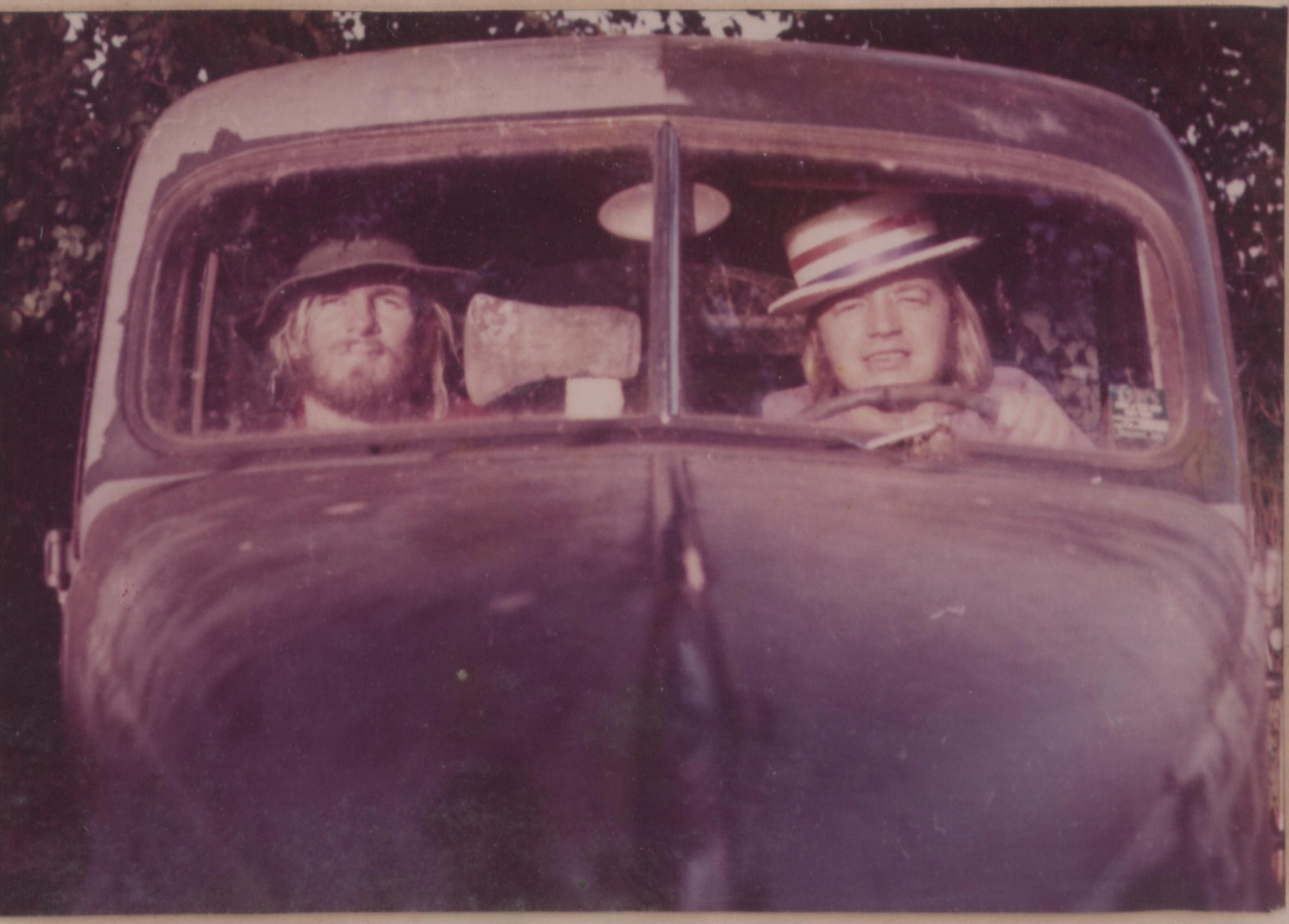
Barney and Clyde

ODE TO A JUNKER

Hello Truck,
Gee, I’m sorry it’s so cold.
Hello poor engine,
I’m sorry you’re so old.
It’s a shame to see you out like this,
You’re dying without hope.
I’d buy you all the things you need,
But I’m broke.

Hello fan,
I’ll get you a new belt someday.
Hello fuel pump,
I’ll try to help some way.
While I know this screw won’t fit you,
I guess it will have to do,
‘Cause my unemployment check
Is overdue.

Hello tranny,
Someday I’ll get you overhauled.
Hello tires,
I’m sorry you’re so bald.
Those big deep thread you once had
Are just a memory.
One day you’ll wear chrome hubcaps
Just wait and see.

Do you remember
The days when you were great?
Gobbling up the miles
At a terrific rate?
But rust has eaten at your body
And your mirrors are all cracked,
Like the fender dents you suffered
When sidewhacked.

So here you sit,
Out back behind the garage.
A junker stripped,
Marred by a bird poop barrage.
Sometimes I sit in your front seat
And relive our glory days,
As tears track down my cheeks
For how we’ve aged.

I’m raggedy, too,
As you can plainly see.
I’ve slowed my gait
Due to an arthritic knee.
We’ve both seen too many miles
Our day has finally come.
Well, I guess I’ll die here with you
My old chum.

By David Allen
(Written to an old Country and Western tune)

Another Mothers Day Poem

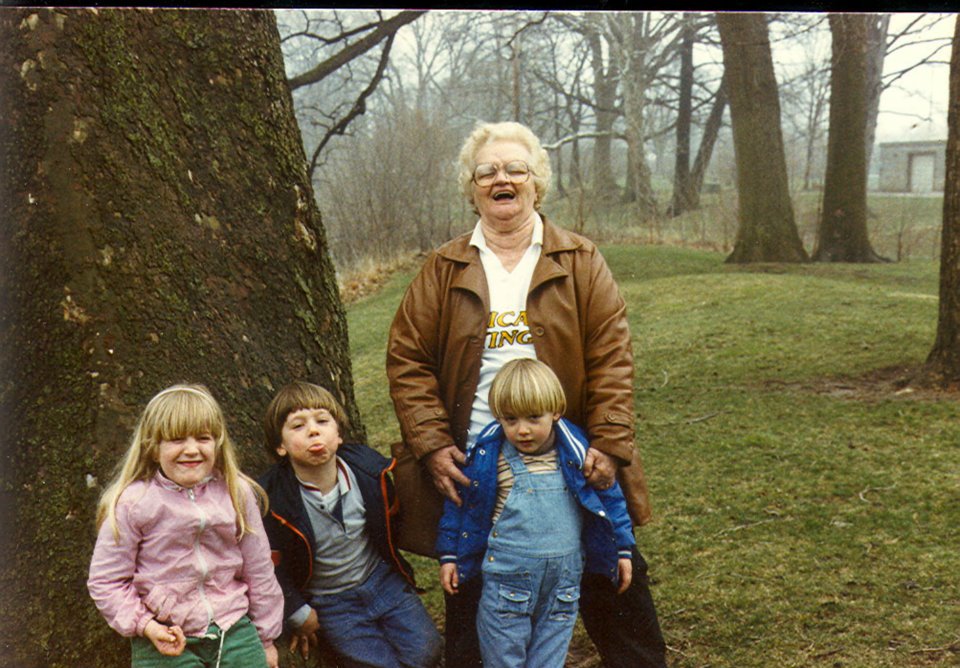
Mom and grandkids

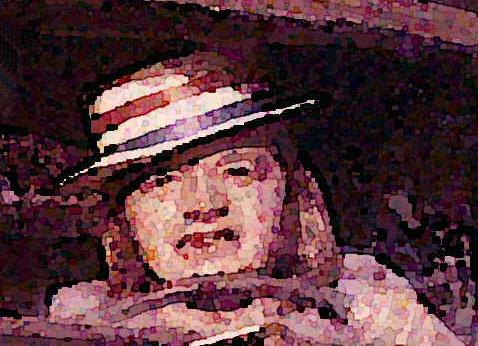
Doris Allen and her three Hoosier grandkids, Fort Wayne, IN, 1987.

FOR OUR MOTHERS

Sometimes when we move far away
We are able to see more clear
The people and places that molded us,
It’s as if they were right here.
And as we examine the days now past,
We are finding this simple truth –
Without our loving mothers’ arms
We would not have survived our youth.

By David Allen

ANOTHER MOTHERS DAY POEM

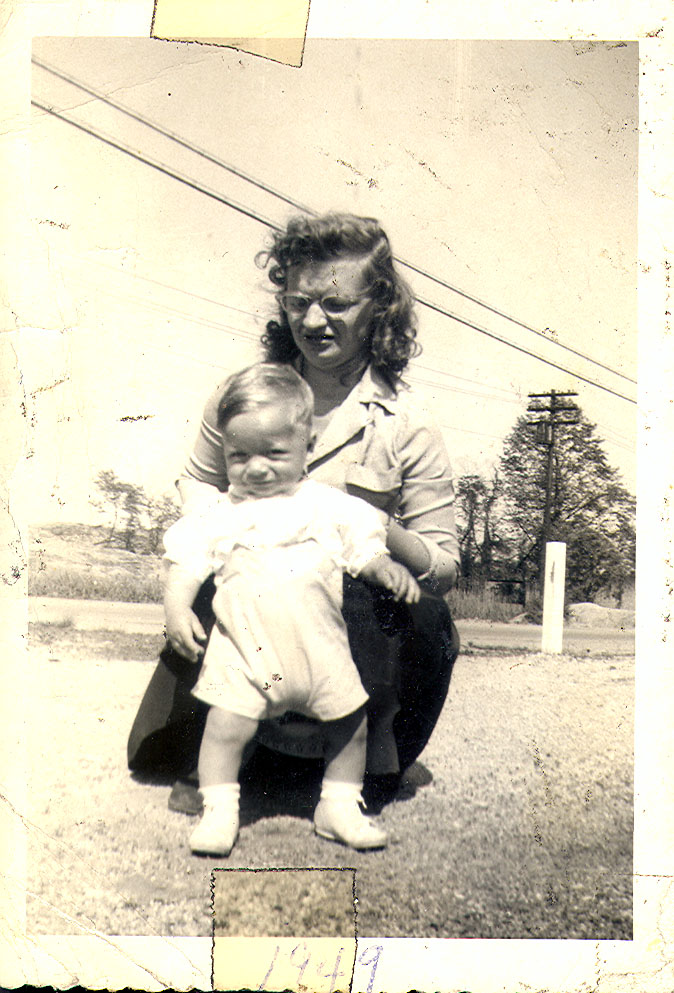
Me and Mom 1949

Me and Mom, Charleston, S.C., 1948.

THE DAY MOM DIED

The day Mom died
My doorbell rang
Twice, two times in
The afternoon.

But when I bound from my chair
There was no one there,
Or anywhere near,
As I scanned the scene
For signs of a prank or the post.

After the second signal
I tested the bell for a short
Or some other cause.
But it worked just fine,
No gust or glitch had
Had set it abuzz.

Hours later I got the word
Mom departed this cold world.

My wife suggested
Mom stopped by our island,
Which swarms with ghosts,
To say goodbye to her oldest son,
One child absent from the last bedside.
And I just shrugged,
And would still, except —

The day they turned our Mom to ash
The doorbell rang again.
And her grandson answered only to find
No one waiting to come in.

And in the months that followed,
The doorbell never repeated its
Eerie ring, sounding only
To announce a package delivered
Or a neighbor stopping to say “Hi.”

I guess Mom said her final goodbye.

By David Allen
Okinawa, Japan

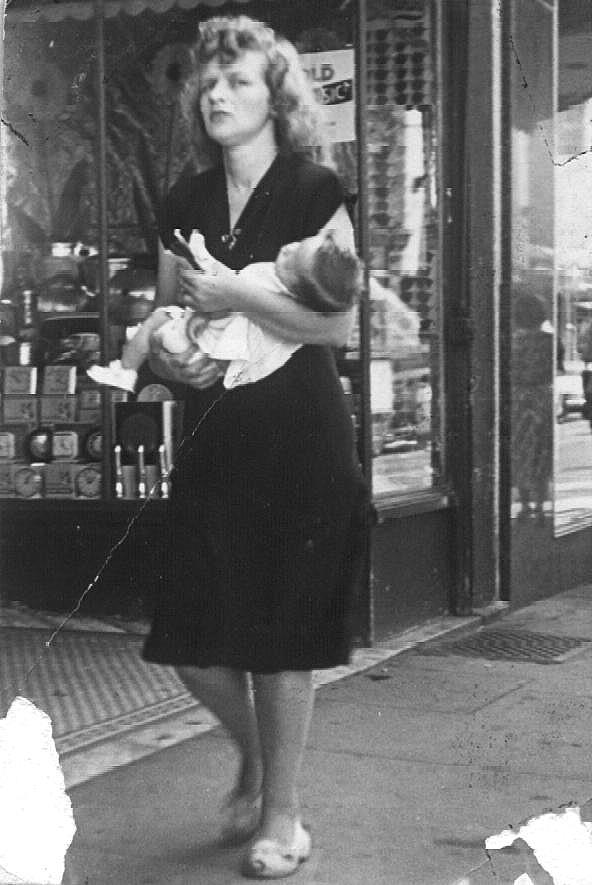
Mom and Me 1948
Me and my Mom, Charleston, S.C., 1948

I NEVER WROTE A POEM ABOUT MY MOTHER

I never wrote a poem
about my mother,
even though dozens about dad
flowed from pens filled
with ink blood red.
After all, he planted the seeds
of fear and hopelessness, deep
strong roots grown in furrows
slashed into pliant flesh
by belts stinging,
quick backhands,
cutting words, while
mom protested in silence,
condoning the conditioning years
later saying —
“But afterwards he always cried.”

I never wrote a poem for my mother,
though I love her and think fondly
of the bond we formed in later years.
What was there to write?
I tried to protect her once.
I was nine and my Dad, drunk again,
had raised his hand one too many times
and, as he stumbled from the house,
my mom damning him to the fiery pit,
I chased him down the steps,
swatting his back with the brush
end of a broom;
trying to sweep him from our lives,
I suppose, though he’s here still
long after buried in a veteran’s grave.

I never wrote a poem about my mother,
she kept us together, somehow,
through all those years,
For what I never understood.
I relished the times I was farmed
out to uncles, aunts and my
Nan Nan’s strong, protecting arms.

I never wrote a poem about my mother
who never told me what to be,
just follow the rules
as muddled as they are,
“Stay out of trouble, David
or you’ll anger you father.”
He was so quick to anger,
haunted by war ghosts
and failures too numerous to name;
a dozen jobs, a dozen homes,
a dozen shattered promises.
I stood with her often on the welfare lines,
bringing home the state dole of
oily peanut butter in gallon cans,
powdered milk, cornmeal
and the white beans that gagged me
every time.

I never wrote a poem for my mother,
though she saved me once by moving us
to another county when
the streets beckoned and threatened
to steal the soul of her oldest son.
She never said why we moved
and I always assumed it was to hide
from the collection agents who came
round to our door as often
as the milkman and the mail.

I never wrote a poem to my mother,
who behind the scenes later
cut the strings, let me
find my own way, any way
that was better than
the stifling daily struggle
she suffered alone with seven
children and failing health.

I never wrote a poem about my mother
who stoically now in her Golden Years,
a widow, children grown, has finally
allowed herself to live her own life,
with no regrets, no sighs of could-have-beens,
but says, “That’s just the way things were
and I did the best I could.”

I never wrote a poem for my mother
who never taught me to hug,
or love, but managed still
to make sure we always had food
and clothes and a bed,
where in dreams I escaped
the dread of the Dad-filled days
until I was strong enough to run.

I never wrote a poem for my mother
and still I wonder why?

By David Allen
The first of several poems for Mothers’ Day weekend

BIRTHDAY BATTLE

Posted: May 8, 2014 in Poetry
Tags: , , , , ,

clydea - Copy
Years Ago

BIRTHDAY BATTLE

Sand falls,
Watch hands beckon,
A shadow creeps.
Time is skewering us all
To the wall.
To the wall boys!
To the wall!
Man the ramparts!
Sound the alarm!
Push them back!
Stop time!
Aaiiiiiieeeee!!!!
It’s no use!
Fall back! Fall back!
Hair recedes, grays.
Eyes, myopic, bag.
Arches fall,
Posture slouches.
Oh, the horror, the horror!
The….

(Ah, forget about it,
It’s just another year.
Where’s the cake?)

fleabga6

FLEABAG1

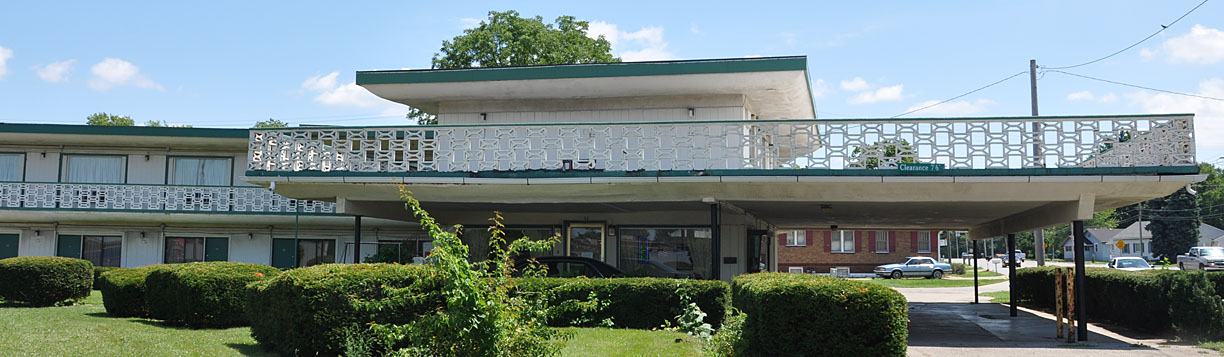
FLEABAG MOTEL

Bukowski would have loved this place
A real fleabag motel
No fridge
No ice,
Some cigarette-burned
Ancient RCA TV
Bolted to a low bureau,
Strips of pressed wood
Peeled off,
Sits next to a Gideon Bible;
Lamps tilt at weird angles,
Chairs of ripped fake leather,
In worse shape than Salvation
Army retreads;
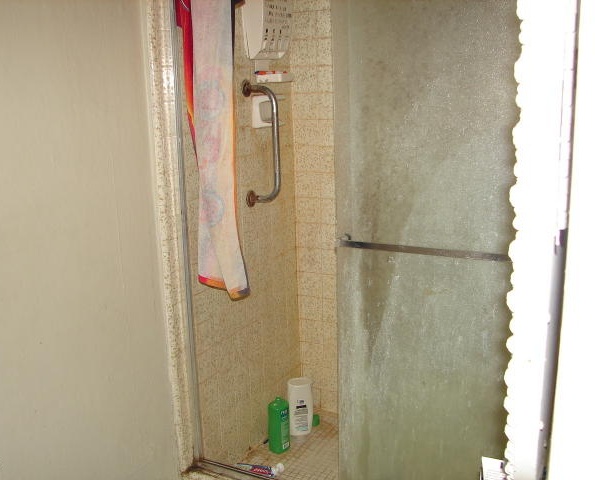
Grey-white walls marred
With black boot heel marks
Near the door;
Dirty handprints
Smudge the wall near the bed;
A bullet hole marks the wall
Just above the TV;
The plastic covers of the electrical sockets
Are cracked, split;
Brown water stains the gray ceiling tiles.
Yeah, this is a Buk place,
A real roach motel.
A six pack, maybe something harder,
Would make it habitable.
Out back, on the other side of the parking lot,
The steady clickityclack and haunting whistle
Of a freight train as it passes a crossing
Makes this dump almost romantic.
Well, at least the sheets are clean.
And anyway,
All I need is a place to sleep
And shower
And shit.
It’s perfect
For all that.

FLEABAG II

10:40 p.m.
Just getting settled
For bed.
Phone rings
Hello?
“Hello, I need you to come
To the front desk.”
Indian accent,
This place is run by Paul’s Pakis.
Why?
“You need to fill out
Some papers.”
What?
“For the police.”
What?
“You need to come here,
Something about your neighbor in 234.”
What?
“I don’t know, you need to come down here
Right away.”
All right.

I hang up,
Confused,
Put my shirt on,
Grab my wallet and keys –
Whoa!
Maybe that’s a bad move.
Some mugger might be waiting
Just outside the door.
But I might need an ID.
I take out my money, credit cards,
Slip them under the mattress.
(Strange, I’d never think of doing that in Okinawa.
But in this rundown Indiana fleabag motel
Bullet holes and boot heels marking the walls,
I worry.)

Maybe the call was a hoax.
A ploy to get me to open the door.
Wait, what if it’s really the cops
And they need my contacts in this burg?
Maybe I should take my address book.
Nah, if they need them I’ll just go back to the room.

I open my door,
Step out,
No one around except
The trash-fed stray
Cat that hangs around the stairs.
She meows loudly,
Scurries away.
I descend the cracked concrete stairs,
Glance at my rented car.
No stranger there;
Bright lights allow
No shadowed lairs.
I round the corner
To the front office
Door’s locked.
I spot a woman inside
Waving me to a security window
Like a self-serve gas station at night.
I rap on the window
And a Paki-Indian-Bangledeshi
Man walks up.
“Can I help you?”
Yeah, what do you want?
“What do YOU want?”
I dunno, someone called me
Told me to come down here
And fill out some papers.
“Sorry, no one called.”
Someone did.
“Not from here, my friend.”
But someone said there was a complaint
From room 234.
“I am sorry, my friend, but no one called.”
No call?
“Someone did the
Same thing yesterday.
Sorry.”

I go back to the
$25 a night room
With mold in the shower
And crusting the
Air conditioner.

I am convinced the mugger
Had positioned himself
To strike when I return.
But I am greeted only
By stray cat
In the open garbage bin
Maybe he’s already in my room
Maybe he slipped in there
While I was gone and
He’s cleaned me out.
I walk around the corner
To the stairway,
Stare at the door to 234 —
No sign of life
I open my door,
Silence.
No one here,
Nothing missing,
Just one big
Fucking pain in
The ass practical joke.

I’ve been robbed of nothing
Except my sleep.

By David Allen

FALL LEAF IN SPRING

Posted: April 27, 2014 in Poetry
Tags: , , , ,

DSCF4035

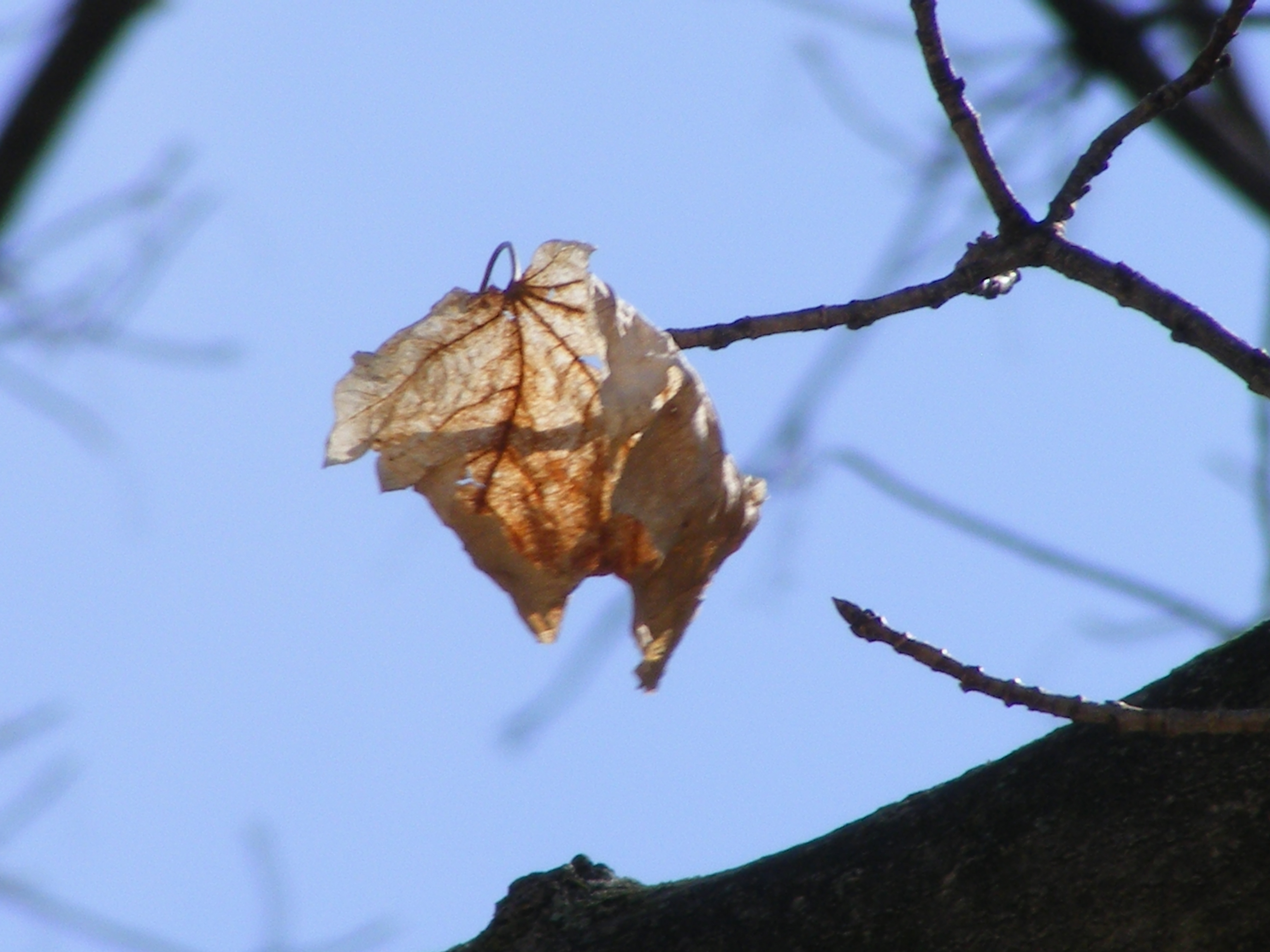
FALL LEAF IN SPRING

Brown leaf hanging on
Fall remnant refusing to drop
Stubborn, just like me

By David Allen

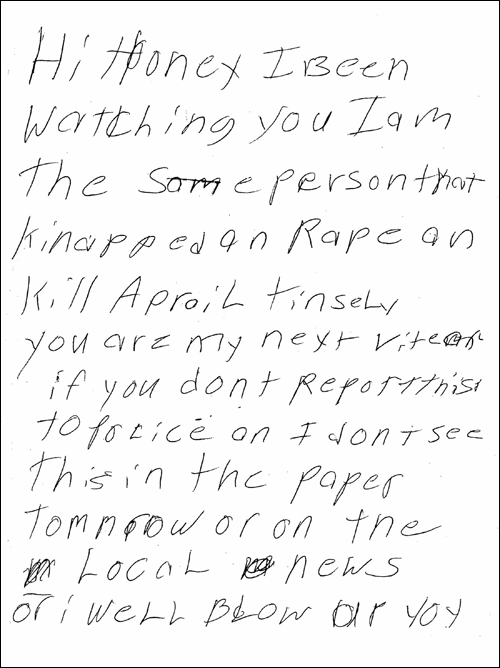
aprilnote_front

ABANDON ALL HOPE

“Hope springs eternal,” now there’s a lie
I’ve seen the infernal work of the pedophile
sadist, the lifeless little girl carefully posed
naked in a rain-swollen ditch,
legs spread, teeth marks on thighs,
satanic signs carved into prepubescent breasts.

I wrote the news stories
that ruined your meals.

They should post large notices
at the entrances of all maternity wards
and the foot of every birthing bed:
“Abandon all hope ye who enter here.”
This world you inherit is the most horrible,
most horrific of all of Dante’s rings of hell.

By David Allen

GRAVEDIGGERS

Posted: April 22, 2014 in Poetry
Tags: , ,

gravediggers

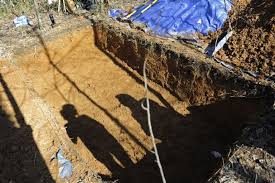
GRAVEDIGGERS

The grave was dug almost five feet deep,
Barely two feet wide,
Maybe two-and-a-half feet long.
Steve and I sweated over that grave,
Blistering our hands,
Breaking his heart.
The product of his seed would be planted there,
A day-old son he never saw.
He had never wanted a child,
But when Marylou left him
She took more than her clothes.
A son, premature, but strong
Except for bad lungs.
Steve didn’t know what to think.
At first he was pretty excited,
It’s not every day you have a son,
Even though he’ll call some other dude dad.
The birthday was a good day.
The next, as I awoke and shuffled to the head,
I passed Steve, sobbing, telephone clutched in his shaking hand.
His baby had died unexpectedly in the night —
Damn the night!
Steve was in a fog for days,
Almost found his way out,
But then the minister of the tiny
Episcopal church down the road
Asked if Steve would dig the grave.
“After all, it was your kid,” he said.
“It will save Marylou some money.”
We dug that grave,
Four hours in the hot sun,
Ninety degrees, no shade,
With shovels, pickax,
Fence post digger,
Smoothing the sides,
Perfect ninety degree angles,
Making ready for what the minister called
“The big send off.”
As if the baby’s soul was going to wait
For his blessings before it hiked to Heaven.
Dirty and tired, we left,
Met the funeral party at the graveyard gate
As we returned the minister’s tools.
We spoke civilly, Marylou looked good.
We went home, washed and took naps.
The funeral went on without us,
I had another poem
And Steve had done his penance.

By David Allen